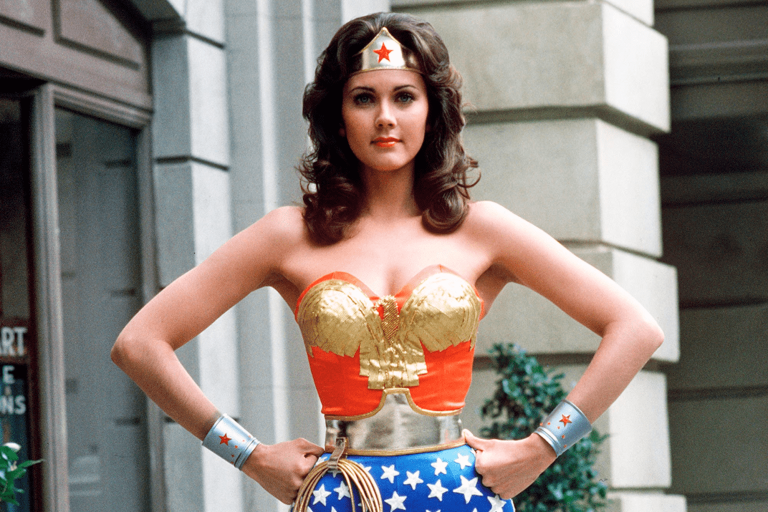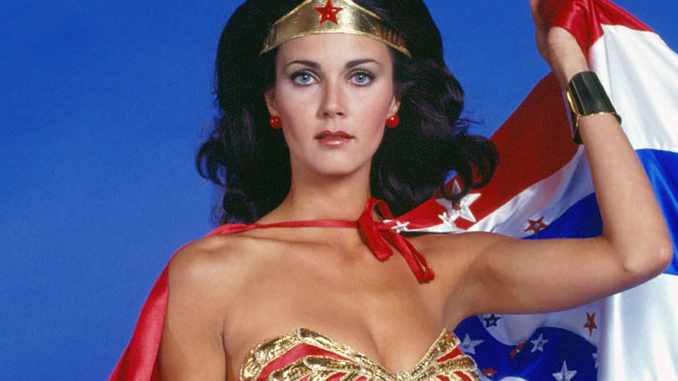
largely due to her compelling and inspiring depiction of the character. The Wonder Woman series, which aired from 1975 to 1979, presented a unique superhero—one who was not only powerful but also compassionate, leaving a lasting impression on audiences. Carter’s performance has become synonymous with the role, establishing her as an iconic figure in television history[1].
The Rise of a TV Superheroine
In the mid-1970s, there was a growing interest in adapting comic books for television. Wonder Woman, a DC Comics character since 1941, had not yet been fully realized on screen. This changed in 1975 when Diana Prince was brought to life in a live-action series[3].
Lynda Carter, a former Miss World USA, was relatively unknown when she auditioned for the part. Her natural charm, physical abilities, and beauty made her an ideal choice for Princess Diana of Themyscira. She won the role over numerous other actresses, quickly gaining popularity with viewers[1][3].
Qualities of Carter’s Wonder Woman
Lynda Carter’s Wonder Woman was unique for her time, embodying intelligence, kindness, and strong morals, setting her apart from other superheroes. Instead of being a dark, troubled figure, she approached her mission with optimism and empathy[3][5].
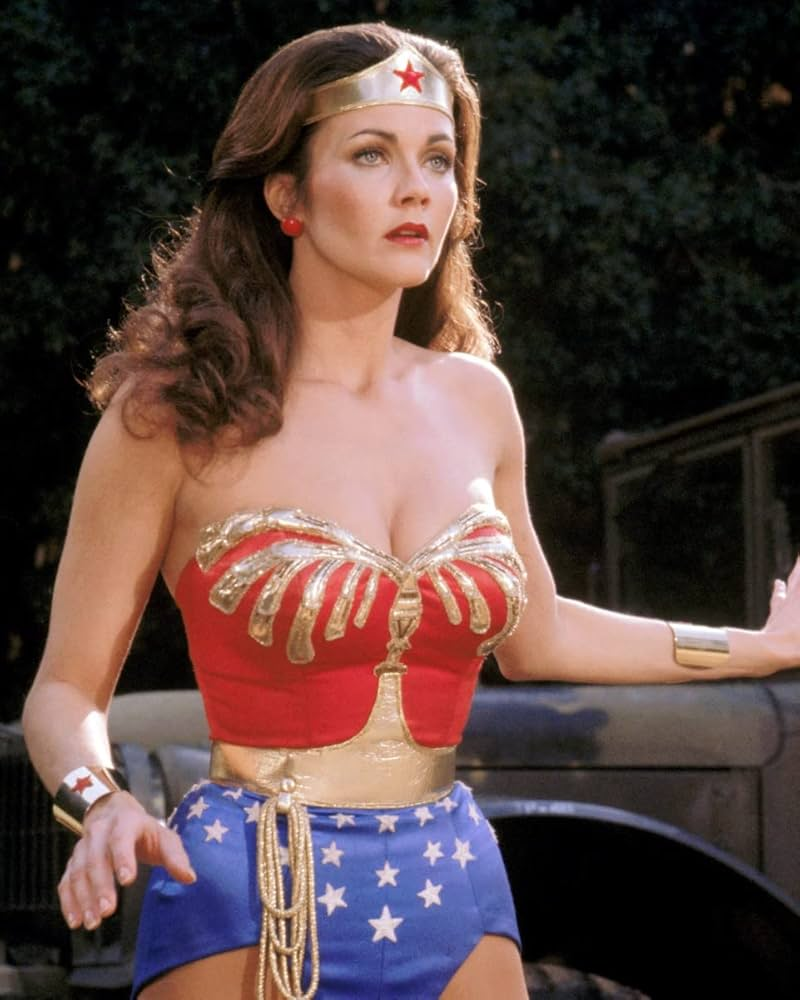
Carter successfully blended strength and grace, making Wonder Woman both relatable and powerful. Whether battling villains or offering wise advice, she transformed the Amazonian princess into a beloved television character[3].
Breaking Barriers
The Wonder Woman series challenged existing norms and changed the representation of female superheroes. Before Carter, female characters in action roles were often secondary or supportive. Carter demonstrated that a strong, independent woman could lead a successful show, paving the way for future female-led franchises[5].
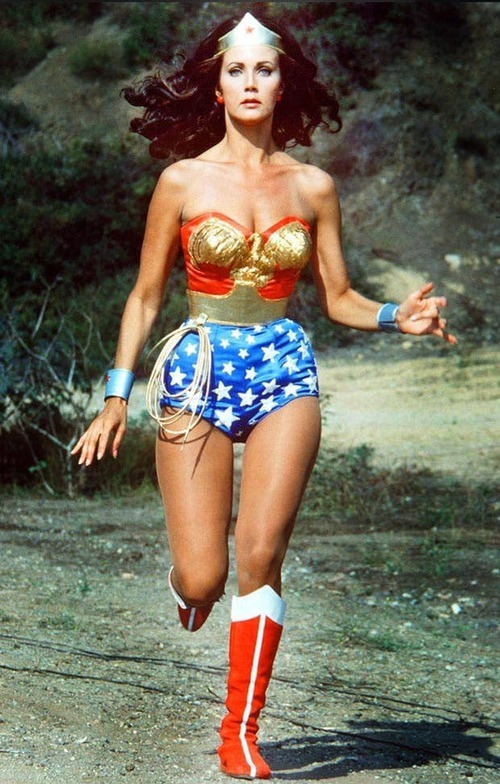
Her impact went beyond television, inspiring young girls with her strength and kindness, influencing the superhero genre, and promoting diversity in superhero media[1][5].
The Iconic Look and Transformation
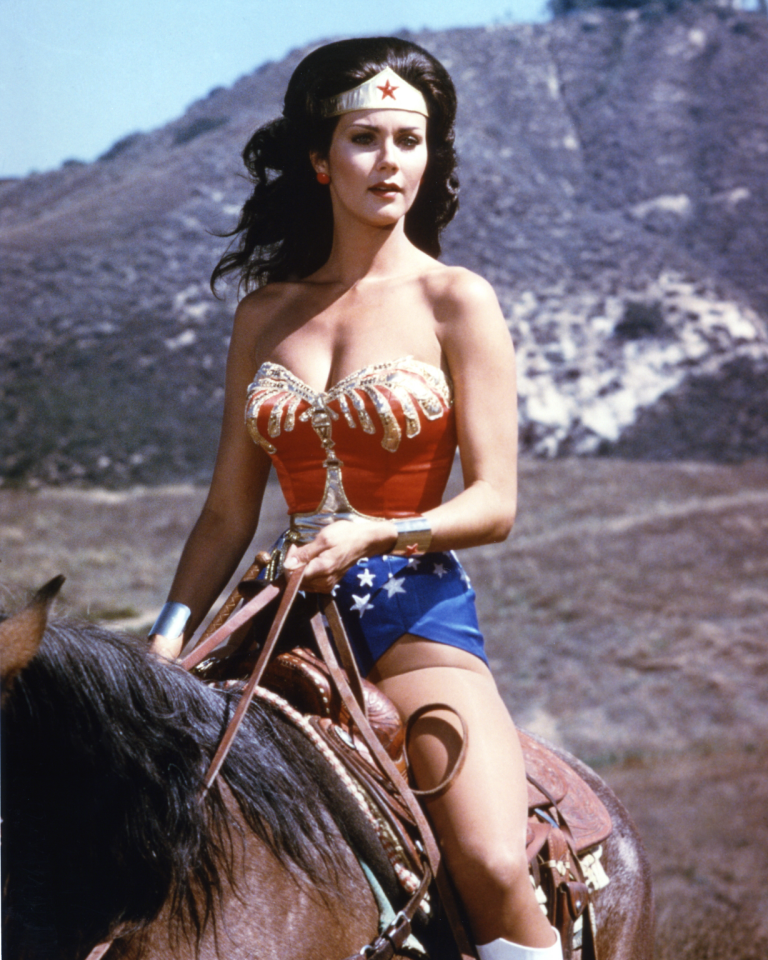
Lynda Carter’s Wonder Woman had a distinctive red, blue, and gold costume, complete with a star-spangled suit, golden tiara, indestructible bracelets, and the Lasso of Truth, making her a pop culture icon. Her signature spin transformation, which turned Diana Prince into Wonder Woman, became a memorable part of the show, offering a visually appealing and practical way to depict her change[1].
Lasting Legacy
Even decades after the series ended, Lynda Carter’s Wonder Woman remains a cultural icon. She has appeared in modern adaptations of the franchise, including a cameo in Wonder Woman 1984, alongside Gal Gadot[1].
Lynda Carter’s portrayal of Wonder Woman was more than just a role; it was a transformative influence. She empowered women, redefined the superhero archetype, and created a lasting legacy that continues to shape superhero media, proving her enduring impact[1][3].